Costly Errors That Can Damage Your Home’s Exterior
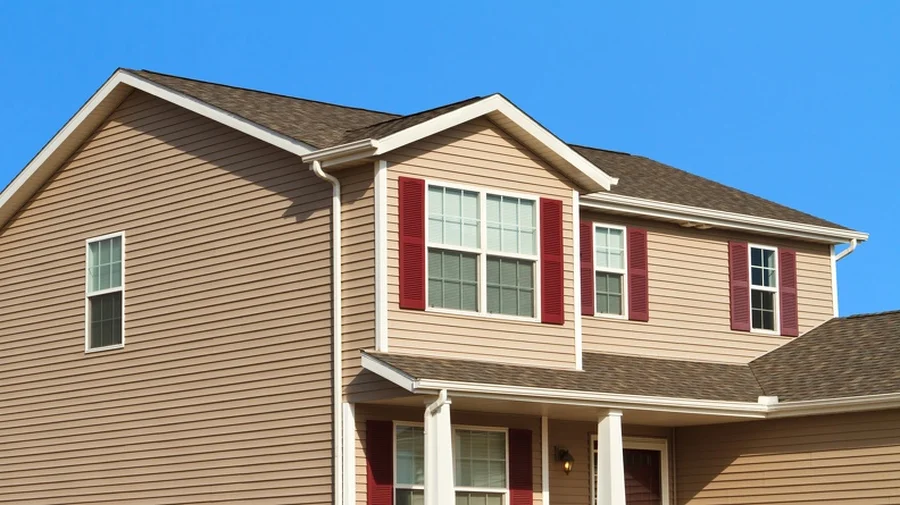
Common mistakes to avoid in siding installation projects include poor measurements, skipping moisture barriers, using the wrong fasteners, and rushing the layout. These errors can lead to water damage, loose panels, and uneven walls. A careful plan and attention to detail can help you avoid expensive repairs later.
Quick Answer: Why Mistakes Happen
Most siding installation problems happen because people rush or skip steps. Some homeowners try to save time. Others hire crews without checking their experience. Even small errors during exterior upgrades can create big issues over time. Planning and proper prep work solve most of these problems.
What You Need Before Starting
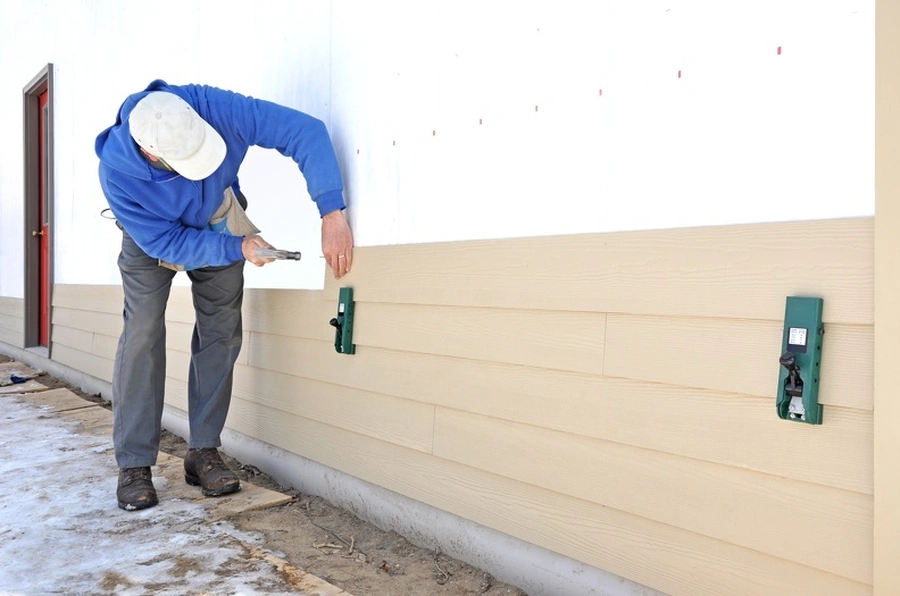
Before any siding installation begins, gather the right tools and materials. You also need a clear plan for layout, sealing, and fastening. Here is what should be ready before work starts:
- Accurate measurements of all walls
- Moisture barrier or house wrap
- Approved nails or fasteners for the siding type
- Level and chalk line for straight panels
- Manufacturer instructions
Skipping any of these basics often leads to the most common mistakes.
Step-by-Step Process for Proper Siding Installation
Following a clear order keeps the project on track. Each step builds on the last.
- Inspect the wall surface for rot or damage.
- Repair weak spots in the sheathing.
- Install the moisture barrier evenly.
- Mark level starting lines around the home.
- Install starter strips and corner posts.
- Attach panels according to spacing rules.
- Seal around windows, doors, and trim.
When these steps are done in order, the siding fits well and lasts longer.
Common Mistakes to Watch For
Even with a plan, errors can still happen. Here are the most frequent problems seen in siding installation jobs:
- Improper nailing: Nails driven too tight can cause buckling. Nails placed too loose can cause panels to rattle in wind.
- No expansion gaps: Vinyl siding expands and contracts with heat. Without space, panels can warp.
- Uneven starter strip: If the first row is crooked, every row above it will be crooked too.
- Ignoring flashing: Missing or poor flashing allows water behind the siding.
- Poor layout planning: Small panel pieces at corners look uneven and unprofessional.
These mistakes may not show right away. Over time, they can lead to mold, cracking, or loose sections.
When to Call a Professional
Some homeowners feel comfortable handling small repairs. Full siding installation is different. It requires working at heights, cutting panels evenly, and sealing every edge correctly. If you notice wall rot, water leaks, or large uneven areas, it is best to contact a trained crew.
Professionals also stay updated on local building codes. This matters when replacing large exterior sections. If permits are required, a licensed team will know how to handle them properly.
Final Recommendation and Local Help
A successful siding installation depends on careful prep, proper tools, and steady workmanship. Small shortcuts today can create major headaches next year. If you are planning exterior work in Freehold, NJ, professional guidance can help protect your home from costly errors. At Freehold TS Roofing and Siding, we handle siding projects with attention to detail from start to finish. Our team focuses on solid installation practices that help your home stand strong through every season. Call us at (732) 405-2714 to schedule a consultation and learn how we can help with your next project.